
Nitrogen, the Puppeteer Behind Pét-Nat Tea
When we think of a tea-based drink, terms like yeast, tea, or bubbles probably come to mind. And yet, from cultivation all the way to the aromas in the bottle, nitrogen is an agent present at each and every stage of production.
Nitrogen first comes into play when the plant's roots absorb it from the soil, mainly as inorganic nitrogen. These compounds are pure nutrients dissolved in the soil water, readily assimilable — in other words, the plant's food. Once they enter the root, part of that nitrogen travels up to the young leaves and becomes part of central metabolism: this is where that inorganic nitrogen is transformed.
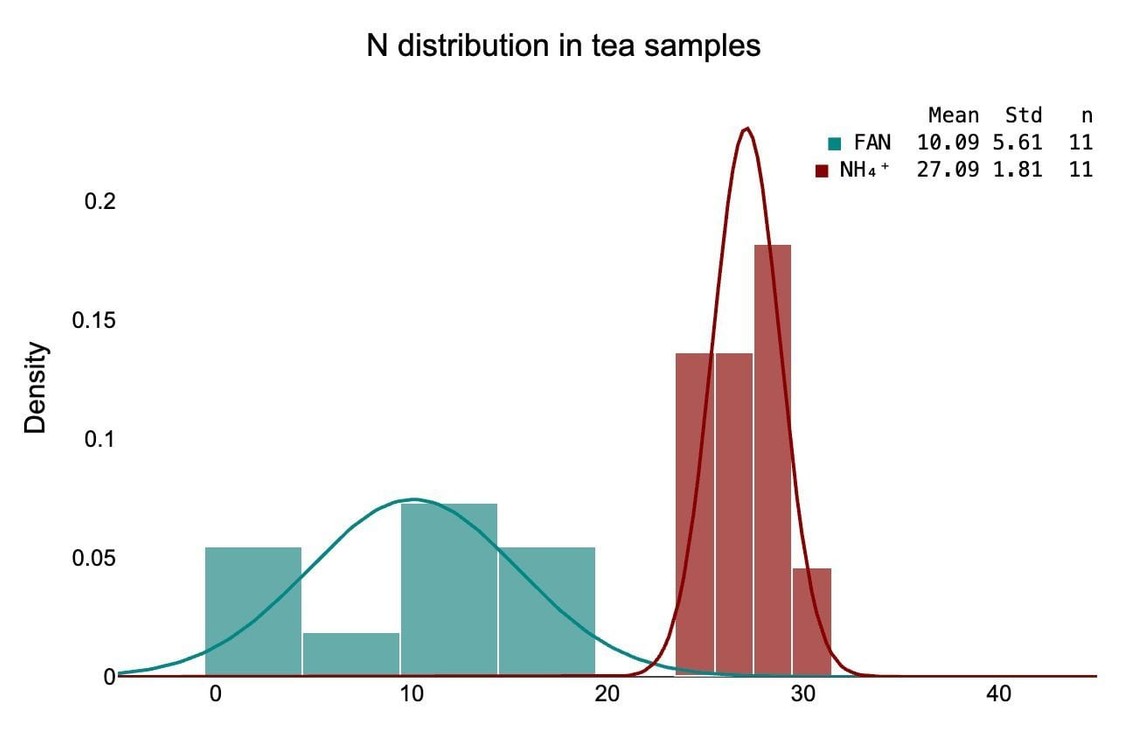
Inorganic nitrogen is absorbed mainly as ammonium (NH₄⁺) or nitrate (NO₃⁻) and, although both compounds are essential for the plant, it usually assimilates ammonium more readily. As they enter metabolism, inorganic nitrogen is converted into organic nitrogen, and compounds known as FAN (free amino nitrogen) develop in the tea leaves.
Free amino acids (FAN) matter because they form the fundamental material basis of tea quality, directly determining the texture as well as the aromatic profile of the drink.
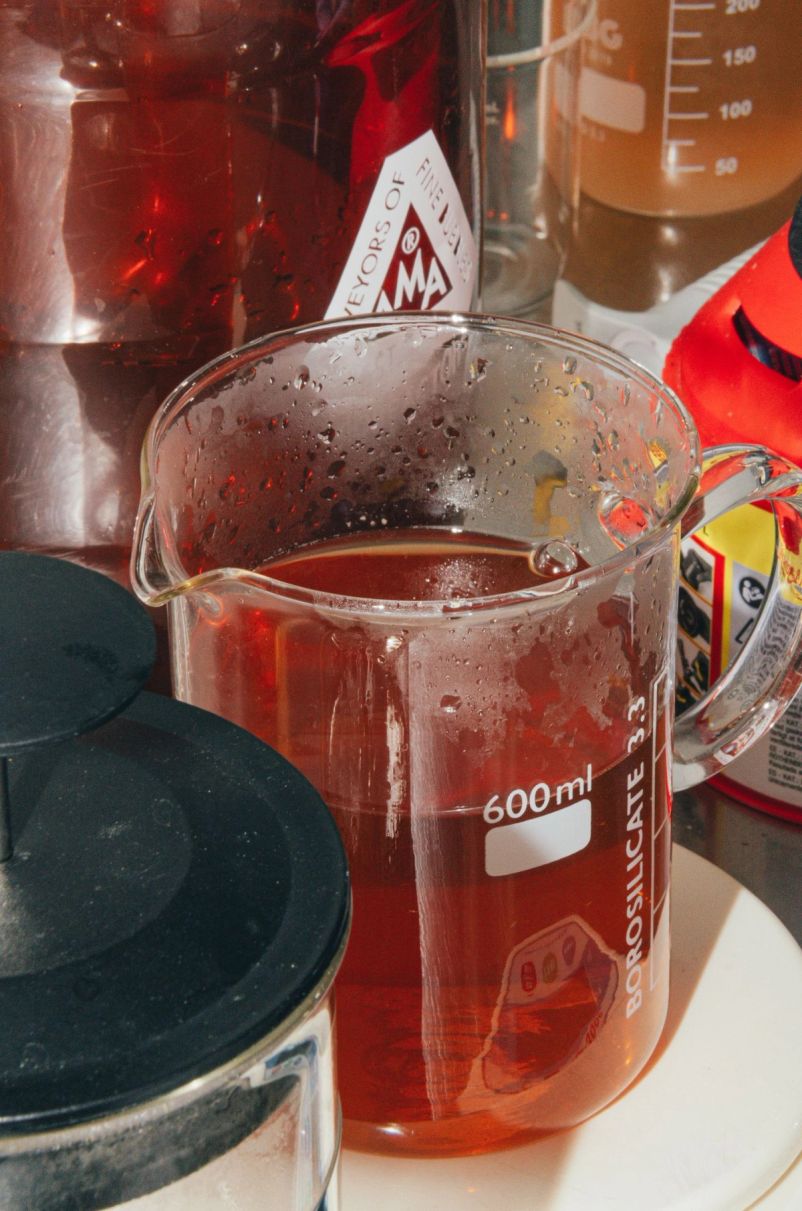
Through an infusion at 78 °C, all those nitrogen compounds in the leaf pass directly into the water — the perfect intermediary so that, during fermentation, all those simple aromatic molecules undergo their metamorphosis and turn into complex aromatic compounds.
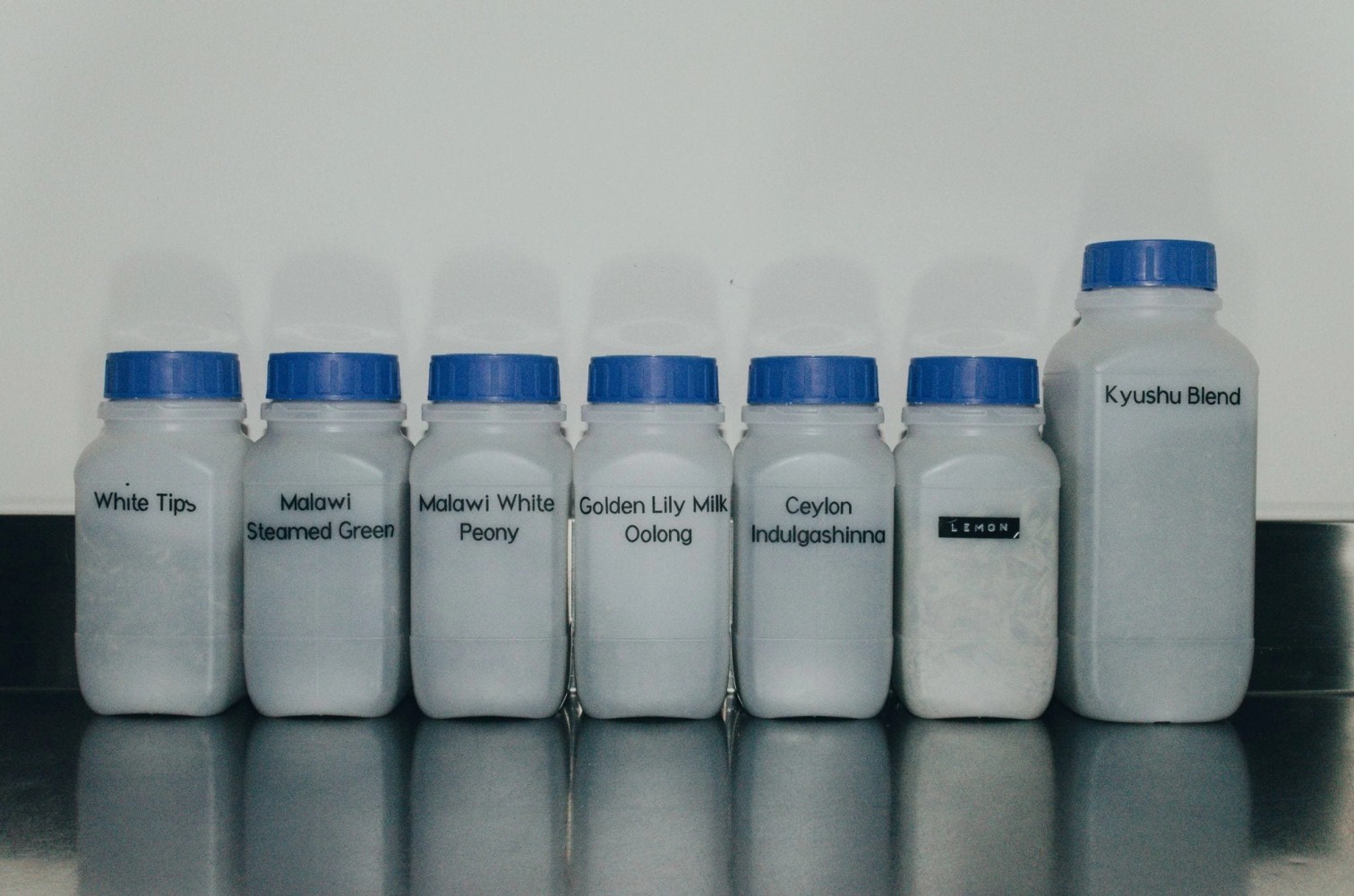
Once the infusion has cooled, we reach fermentation, where nitrogen once again becomes a factor of great importance: the dissolved nitrogen compounds in the drink become food again, this time for the yeasts. At this stage, both the still-unmetabolised ammonium molecules and the FAN are grouped under a term called YAN — that is, yeast assimilable nitrogen.
Each yeast requires different amounts of nitrogen compounds, and it is important to account for them for two main reasons. On one hand, inorganic nitrogen keeps fermentation healthy, driving protein transformation and enzymatic activity. On the other, FAN safeguard the health of the yeast, and an adequate level of them prevents stuck fermentations or the appearance of unwanted aromas.
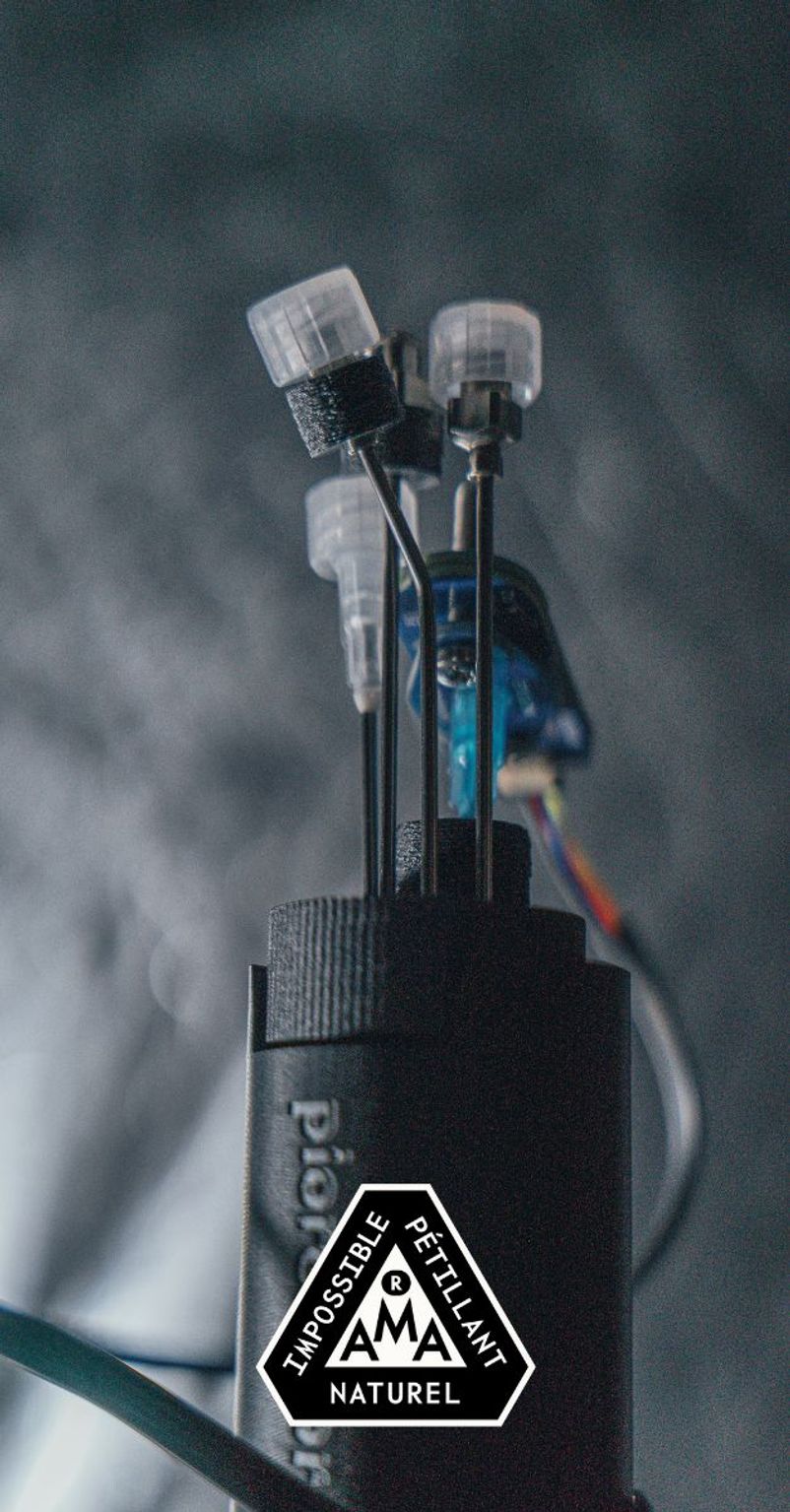
In the case of tea, these compounds change from one variety to the next according to various factors. Therefore, given how important these compounds are for the yeasts, at AMA we measure the compounds of each of the teas we use.
Finally, after fermentation and a few more steps aimed at refining the drink's profile, the production process comes to an end. And it is when uncorking the bottle that we discover those aromas so characteristic of AMA — aromas that, without nitrogen as their precursor agent, would not be possible.
Although the role of nitrogen is widely studied in wine and beer fermentations, in the case of tea the research is still very limited, and at AMA we continue investigating how this compound has the capacity to transform the final product.